Islands Magazine: Situated Between Tampa And Miami Is Florida’s Lakeside City Surrounded By Lush Sugar Cane Fields
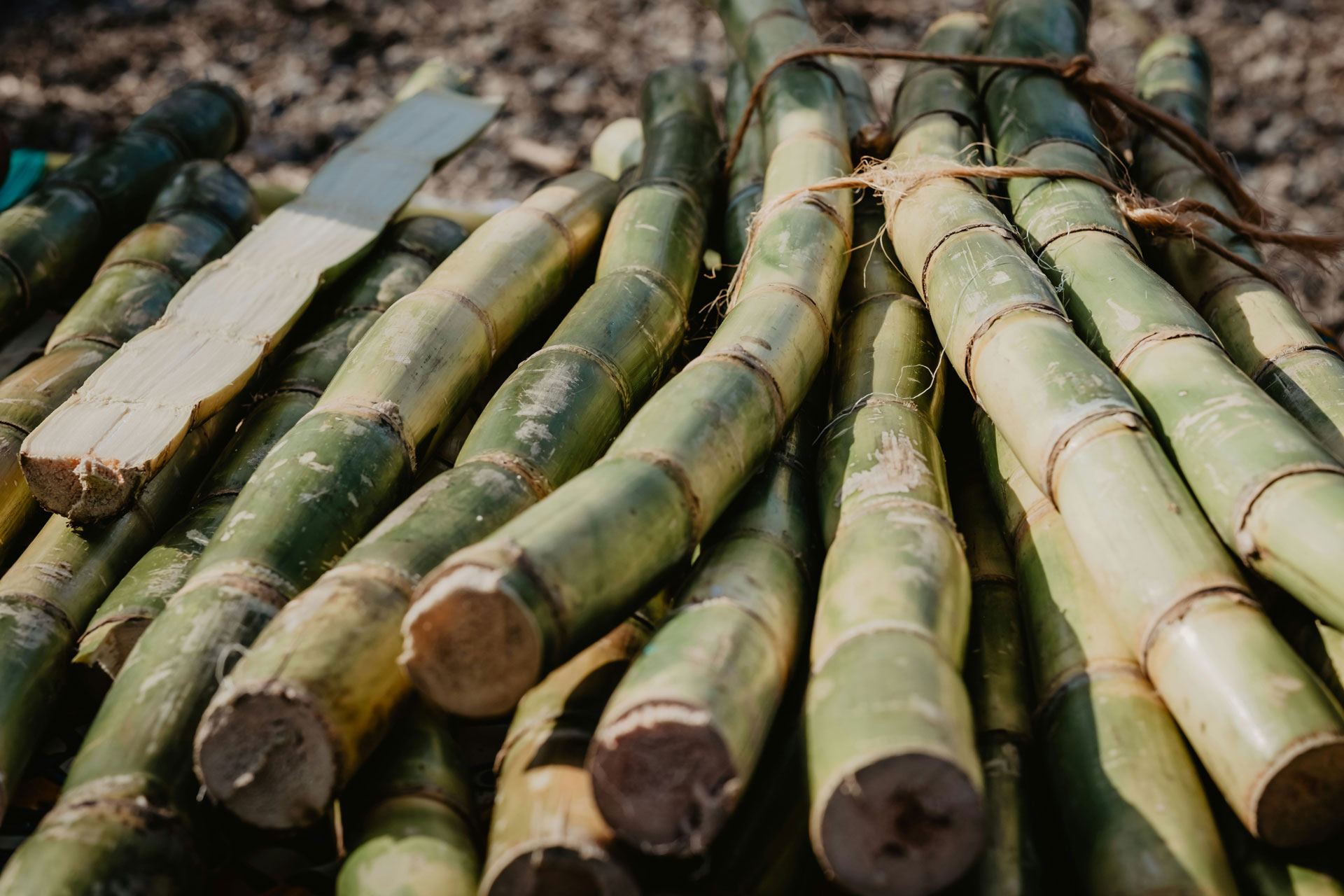
Originally brought to the United States from the West Indies, most of Florida’s sugarcane is grown along the southern half of Lake Okeechobee, making the area’s agricultural fertility an important driver in its original settlement in the 19th century. While sugarcane production has favorably contributed to the state and local economy, it’s not without its drawbacks.
Pahokee’s placement along the lake’s fertile borders makes it a key location for sugarcane production. Annual sugarcane burning, a harvesting practice that separates the leaves from the sugar-rich stalks, forces black smoke and ash containing agricultural chemicals into the air in and around the town. Opponents of the practice argue it disproportionately affects the region’s Black and low-income communities, negatively impacts the environment, and poses health risks for anyone living within the burn and wind radius.
While the practice is not likely to be legally stopped anytime soon, several movements advocate for more sustainable harvesting techniques, including the Stop the Burn Campaign, which pushes to implement modern, sustainable, burn-free harvesting practices. In addition to reducing air pollution and environmental impact, advocates argue that green harvesting would also utilize the full plant, creating additional sources of income and jobs for local farmers and communities.